
The short answer
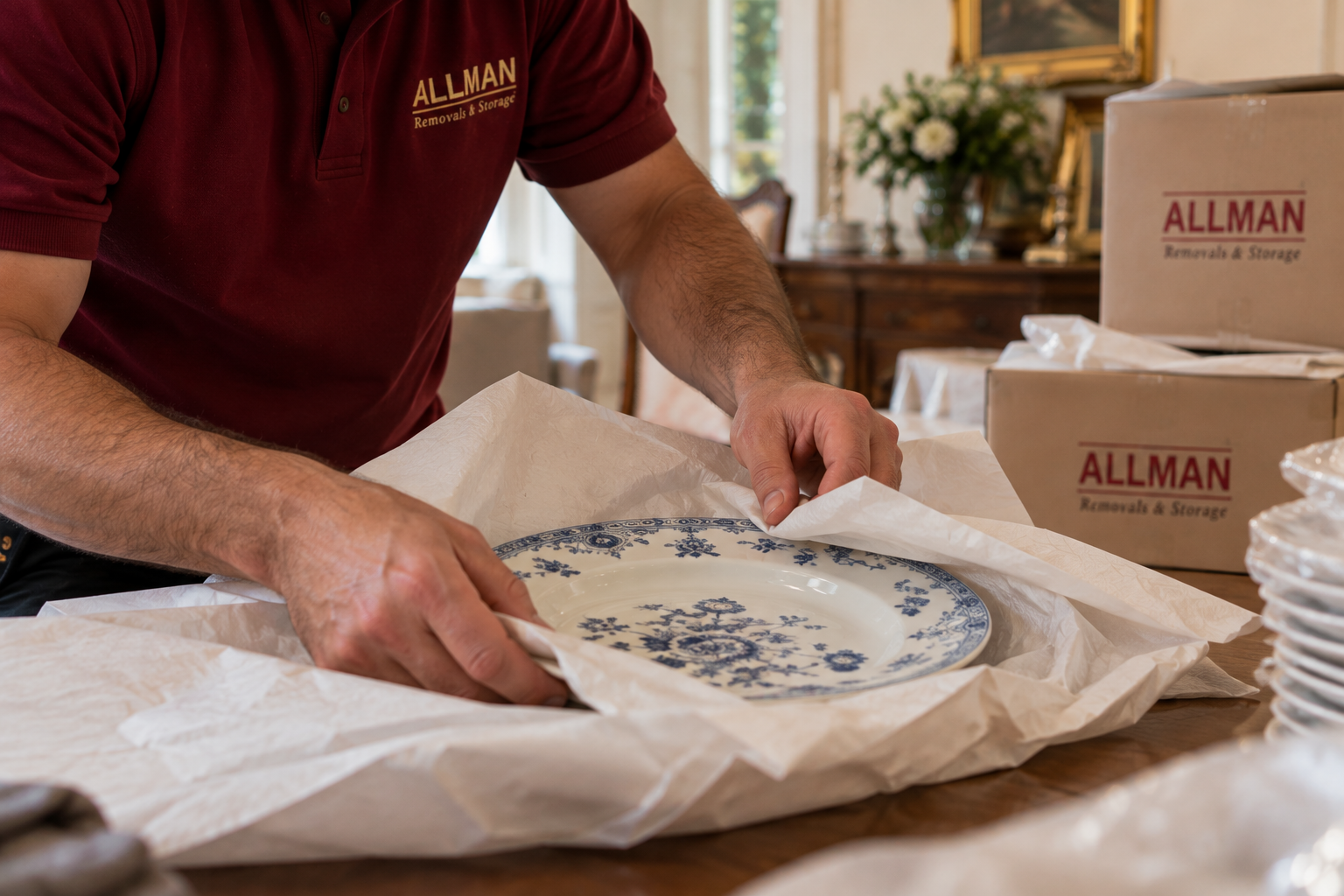
Antiques, artwork and pianos should be identified at the survey, wrapped in suitable protective materials, carried by experienced handlers with the right equipment, and loaded last-on, first-off where possible. Ask your remover exactly how each item will be protected.
Tell your remover at the survey
The most common cause of damage is surprise. If the team knows about a grandfather clock, a piano or a large gilt mirror in advance, they can bring the right materials, crew and equipment.
How valuable pieces should be protected
Every piece is different, but good practice is consistent.
- Framed pictures and mirrors wrapped and carried upright
- Antique furniture blanket-wrapped, with loose parts removed and packed separately
- Doorways, banisters and floors protected on both properties
- Items secured in the vehicle so nothing shifts in transit
Moving a piano
Pianos are heavy, but also delicate. They need careful balance on stairs and steps, protection for the case and the right equipment for the route out of your home.
Questions to ask before you book
A good removal company will be happy to answer these.
- Who will actually be handling my items on the day?
- How will each fragile or valuable item be wrapped?
- Can furniture be dismantled and reassembled?
- Can items be stored safely if my dates change?
“Story and his team were punctual, kind, knowledgable and reasonably priced. They were careful with all our furniture.”
Common questions
Do you move pianos and antiques?+
Yes. Allman regularly handles pianos, antiques, heirlooms and individual large items as part of a house move.
Should I pack valuable items myself?+
For fragile antiques and artwork, it's usually best to let experienced packers wrap them properly.